


Responding to the adoption of a new draft Civil Code, in the first reading by the Ukrainian parliament, on 28 April 2026, Veronika Velch, Director of Amnesty International Ukraine, said:
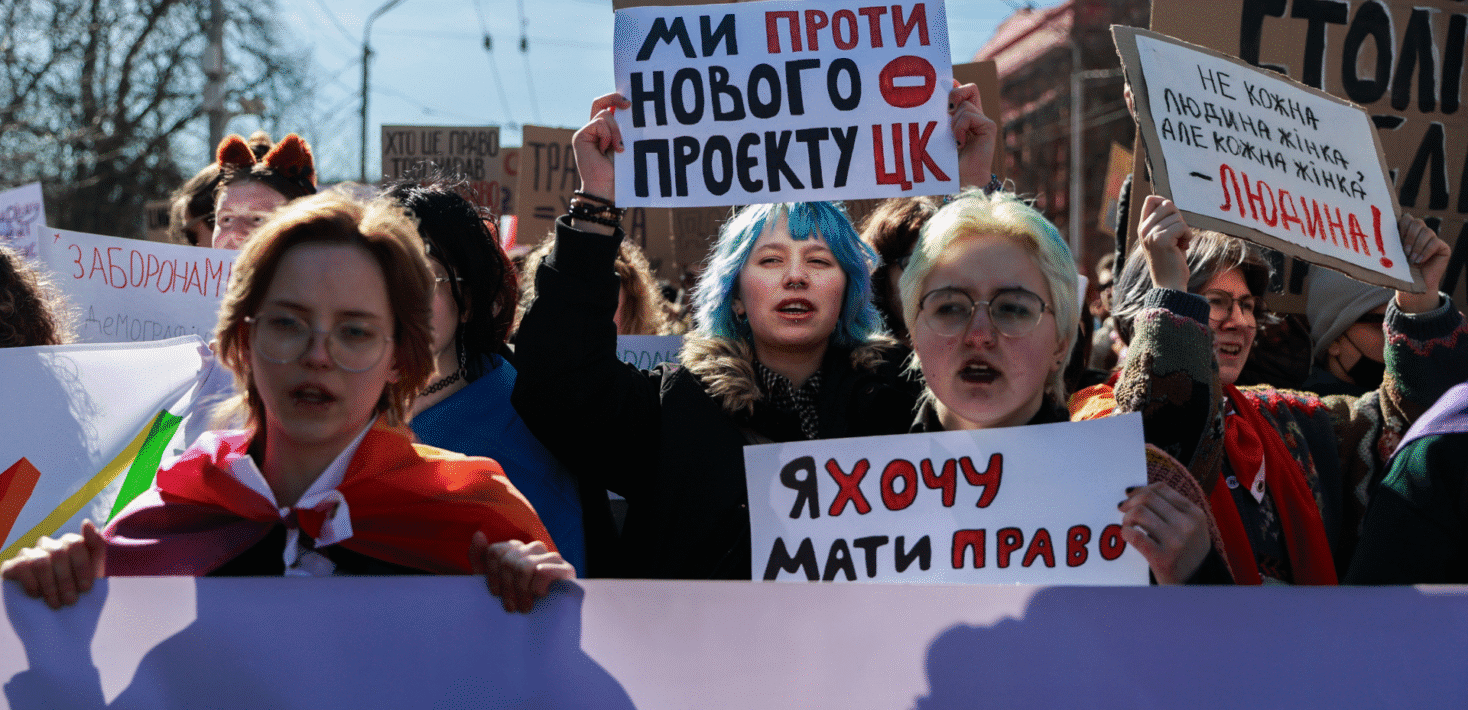
“Ukraine’s parliament must not rush through a new Civil Code that is manifestly inconsistent and incompatible with the country’s international human rights obligations. Unless it is thoroughly and comprehensively reviewed, following a meaningful consultation with the affected rights-holders and expert civil society organizations, it will embed provisions that will have sweeping and lasting effect on human rights of people living in Ukraine for years to come.”
“The new draft Civil Code has numerous fallacies, from its openly discriminative approach to LGBTI people, to provisions for depriving people with disabilities of their legal capacity, contrary to Article 12 of the CRPD, on such basis as “mental, other disorder,” to the introduction of overly broad terms like ‘dobrozvychainist’ (‘good custom’) which will put the onus on the judiciary to use this concept in making important legal determinations. The proposed draft Civil Code is an encroachment on the human rights of LGBTI people, people with disabilities, women, and ultimately – the rights of everyone.”
Having voted overwhelmingly for this deeply flawed piece of legislation, the Ukrainian law makers must now take a step back and take action to ensure that it is comprehensively and meaningfully reviewed and brought fully in line with Ukraine’s international human rights obligations, including by sufficiently extending the time frame as necessary to hear and reflect on feedback from all relevant stakeholders. The lawmakers must ensure the right of people to participation in the legislative process and transparency in the process.
Veronika Velch, Director of Amnesty International Ukraine
Background
On 28 April 2026, Verkhova Rada, Ukraine’s parliament, adopted in the first reading a draft new Civil Code (draft law No. 15150), a highly complex legal document comprising 1,949 Articles. Under the current rules, MPs have 21 days to suggest amendments and revisions, after which the second, and potentially final, reading can take place as soon as 20 May 2026. With a draft version of the law published in January, and at least three alternative drafts put forward in the weeks that followed, there was not meaningful consultation on this bill prior to it being put to vote. Numerous criticisms have been made by Ukrainian civil society organizations and other monitors about its interim versions. They included concerns, for instance, about the legal definition of the family as a union “‘between a woman and a man,” its express denial of equal rights to same-sex couples, the provisions that could lead to the automatic annulment of marriages after gender affirmation, the introduction of legally undefined concepts such as “dobrozvychainist” (“good custom”) which is implicitly tied to public morality and the provisions under which this concept may determine judicial decisions relating to dissolution of marriage or its denial, and of the concept of the “right to freedom of natural existence,” which has no basis in international human rights law, in the chapter dealing with human rights.
Article 12 of the Convention on the Rights of Persons with Disabilities (CRPD) affirms that all persons with disabilities have full legal capacity. The bill contravenes the requirement that “States parties must holistically examine all areas of law to ensure that the right of persons with disabilities to legal capacity is not restricted on an unequal basis with others”.